It is not one park entrance with one loop road. Wildlife viewing depends on the access area, season, water, refuge rules and time of day.
Choose an access area
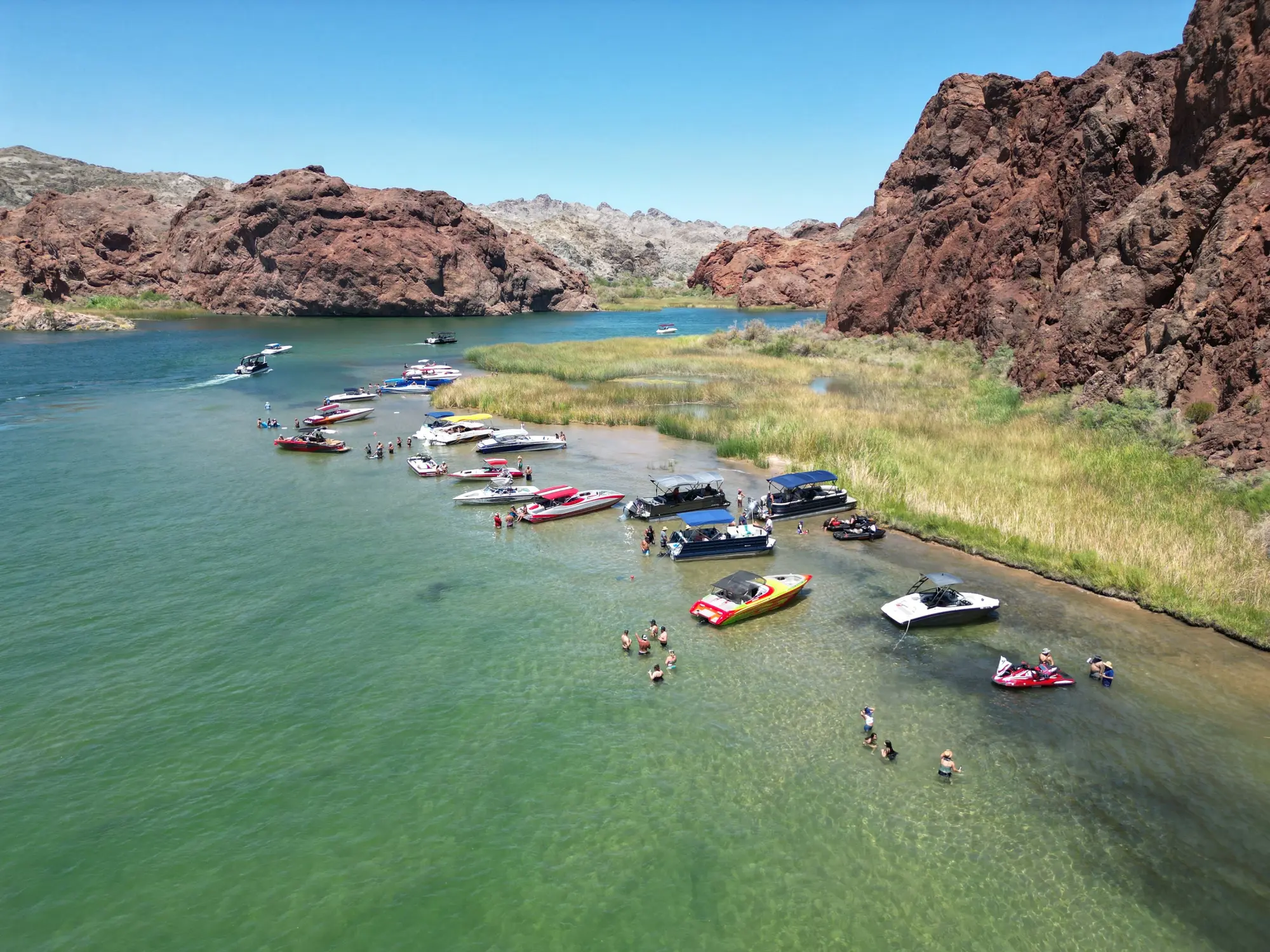
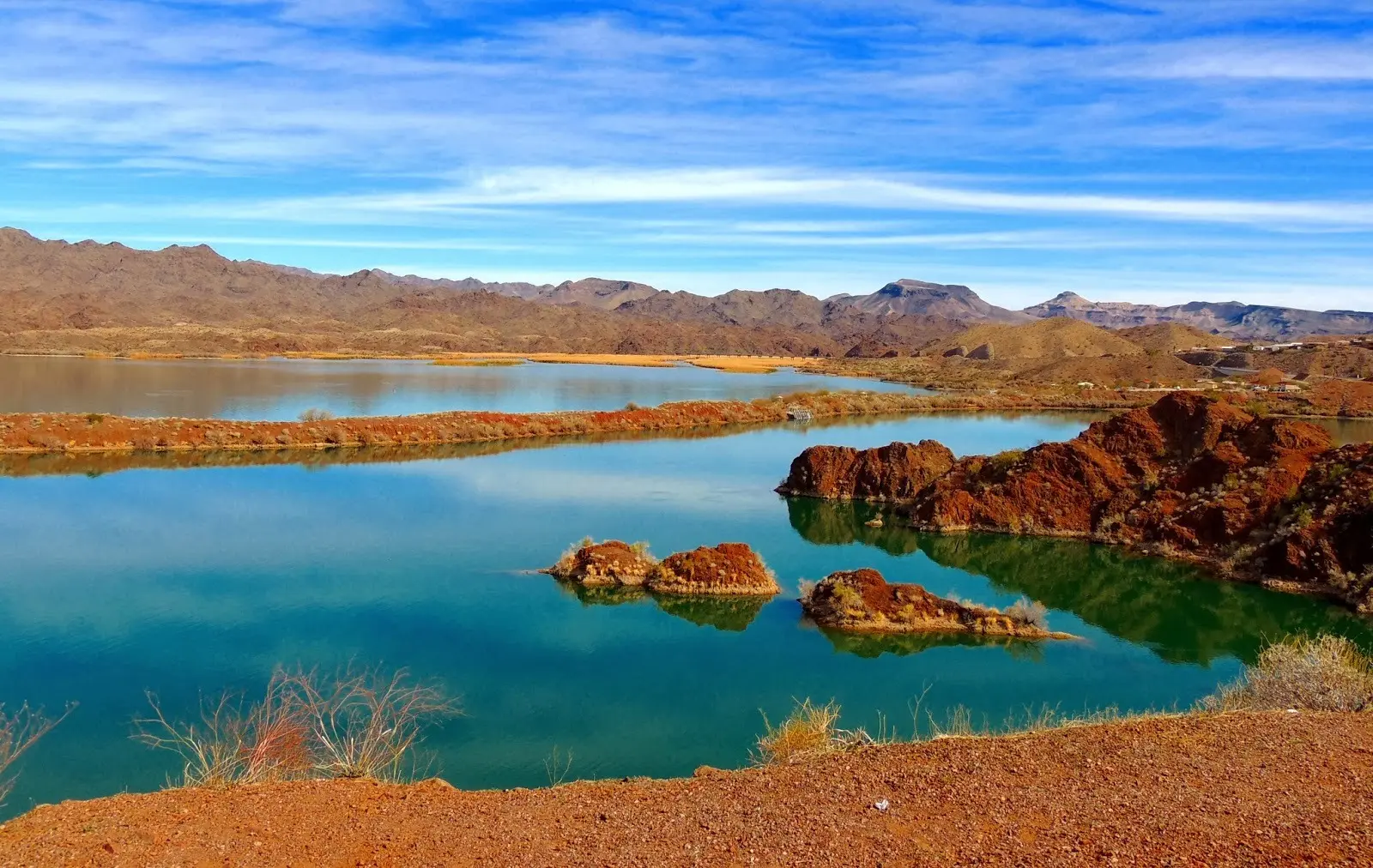
Topock Marsh provides wetland viewing from access points north of Lake Havasu City, while Topock Gorge is primarily a river experience. Visitor routes, roads and facilities differ, so use the current U.S. Fish and Wildlife Service map for the specific area.
Do not use a generic refuge pin as a destination. Decide whether the outing is birding from land, paddling, fishing or a motorboat trip, then check the activity rules.
Topock Marsh and Topock Gorge are different access experiences inside the same refuge. Decide whether the goal is land-based birding, marsh access or a river trip before choosing directions, because one generic refuge pin will not plan the day.
Birding and wildlife viewing
The refuge records 318 bird species, with seasonal changes in migrants and waterfowl. Early morning often brings more activity, cooler temperatures and less human disturbance.
Use binoculars or a long lens and observe from a distance. Do not play calls repeatedly, approach nests or leave a legal route to push an animal into view. A quiet five-minute wait often produces more than constant movement.
Bring binoculars before a long camera lens, move slowly and let the habitat stay quiet. Seasonal migrations change what is likely, while heat and glare can shorten the productive morning even when wildlife remains present.
Topock Gorge by water
The 20-mile Gorge is reached by river and has specific refuge boating restrictions. Read the current rule page and follow seasonal closures, no-wake areas and posted habitat protections.
The complete Topock Gorge guide covers fuel, wind, distance and guided options. The Gorge should not be treated as a casual extension of a short Channel ride.
Topock Gorge requires appropriate water access and a more self-sufficient safety plan. Visitors without the vessel or local river experience should ask a current tour operator whether its named route reaches the protected corridor.
Rules that protect the refuge
Activities are allowed only where and when refuge regulations permit them. The U.S. Fish and Wildlife Service states that camping and open fires are not allowed on the refuge. Hunting, fishing, boating and vehicle access have specific controls.
Pack out all waste, keep pets leashed where allowed and never release bait or wildlife. Use current onsite signs when they are more restrictive than a general web page.
Use the official activity and regulation pages for hunting, fishing, pets, closures and protected areas. A national wildlife refuge is managed first for habitat; recreation is allowed only where and how current rules permit it.
Heat, road conditions and communication
Some access roads are remote and unpaved. Check surface conditions, weather and vehicle suitability, download maps and tell someone your route. Bring water even for a short birding stop.
Wildlife is not worth entering a closed road, flooding wash or unsafe heat. Return in a better season or choose a developed shoreline location when conditions do not fit.
Unpaved access can change after rain or grading. Download the map, carry water, avoid blocking gates or roads and turn around before the vehicle is committed to soft or damaged surface beyond its capability.
Make the plan work
Choose the refuge experience before the access point
Birding at Topock Marsh, boating through Topock Gorge and a general wildlife drive are not the same trip. Pick the habitat and activity first, then use the official map and rules for that part of the refuge.
Open the official visitor map
Identify Topock Marsh, Topock Gorge and the current access areas before leaving town. Save the map offline and do not navigate to the geographic center of the refuge.
Plan a refuge visitUse wildlife-first timing
Arrive early, reduce noise and give animals enough distance that they do not change direction or behavior. Bring binoculars, water and sun protection even for a short roadside stop.
Read official wildlife-watching guidanceRead the rules for the exact activity
Camping, fires, dogs, fishing, hunting and boating do not share one blanket answer. Use the current refuge regulation page and any posted closure before beginning the activity.
Check current refuge regulationsCheck the day, not the monthly average
Lake Havasu City weather
Heat and wind can change the safest time, route and backup plan. Check the live Lake Havasu forecast here, then use the managing agency or operator for closures, launch conditions and activity-specific rules.
Read how hot Lake Havasu gets in summer
Your question, answered
Havasu Wildlife Refuge frequently asked questions
Where is Havasu National Wildlife Refuge?
It follows the lower Colorado River north of Lake Havasu City and includes Topock Marsh and Topock Gorge across Arizona and California areas.
What animals can I see?
The refuge is especially important for birds, with 318 documented species, and also supports fish, mammals and reptiles. Sightings vary by season and habitat.
Can I drive through the wildlife refuge?
Access depends on the specific refuge area and road. Topock Gorge is a water route, while Topock Marsh has land access points. Use the current official map.
Can I camp in Havasu National Wildlife Refuge?
No. The refuge's current visitor rules prohibit camping and open fires on refuge lands.
Check before you go
Current details from the source