Start with the Lake Havasu Field Office and current Arizona OHV rules. Then match the route to the vehicle, operator and recovery plan.
Choose a legal route from a current land-management map
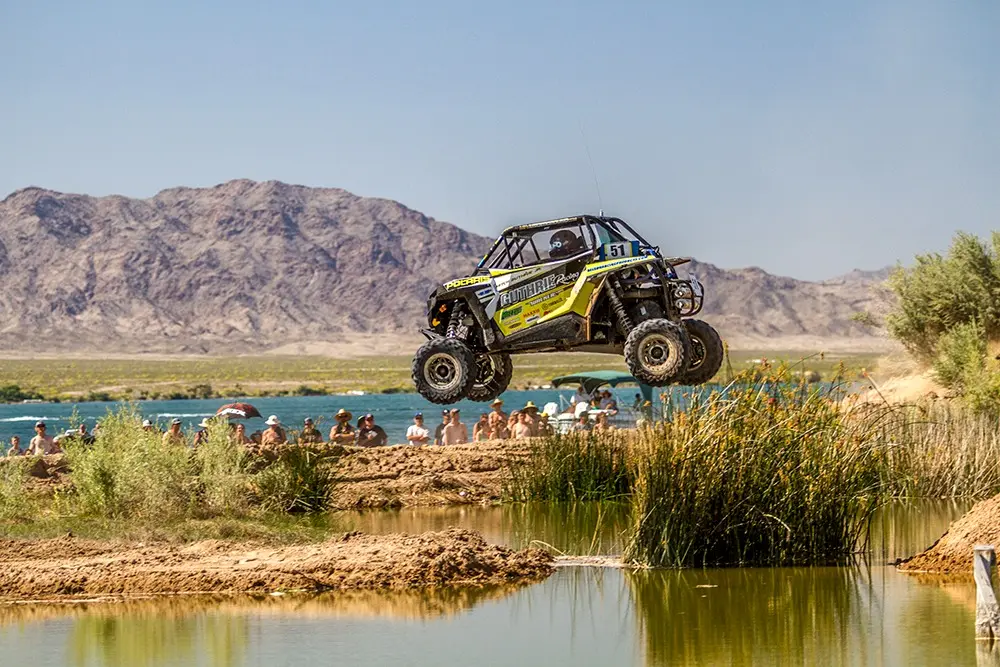
BLM manages a large area around Lake Havasu, but routes can cross jurisdictions and designated-use zones. Download the current field-office map and check temporary orders, especially around organized races or fire restrictions.
State trust land can require a separate recreation permit. Wilderness areas are closed to motorized travel. A track visible on the ground or app may be unauthorized, closed or private.
A route shared online may cross several land jurisdictions or reflect conditions that no longer exist. Start with the current land-manager map, then confirm seasonal restrictions, closures and whether the route is designated for the exact vehicle.
Match the route to the vehicle
A maintained dirt road, sandy wash and technical rock trail require different clearance, tires, gearing and operator skill. Rental agreements can restrict routes and recovery. Tell the rental operator where you intend to ride and obtain a current recommendation.
Do not use promotional labels such as easy or family-friendly as the only technical assessment. Ask about ledges, wash crossings, pinstriping, deep sand and turnaround space.
Wheelbase, clearance, tire construction, range and recovery points matter more than the vehicle’s marketing label. Turn around before an obstacle commits the group to a one-way decision, and never assume another rider will be available to pull the vehicle out.
Decals, street legality and required equipment
Arizona requires a valid OHV decal for many resident and nonresident vehicles designed primarily for unimproved terrain and meeting the state's weight criteria. A street-legal plate does not automatically remove every OHV requirement.
Check current registration, decal, helmet, eye protection, passenger and roadway rules with the official Arizona program. Requirements depend on vehicle and operator age.
Street legality and off-highway registration are separate questions. Verify the decal, plate, insurance, lighting, helmet and equipment rules that apply to the operator, vehicle and roads used to connect trail sections.
Heat, recovery and communication
Carry water for every person, tire repair and inflation tools, basic recovery equipment, first aid, navigation and enough fuel to return with reserve. Travel with another vehicle on remote routes when practical and leave a route plan with someone in town.
Cell service can disappear quickly. Summer heat makes a minor breakdown life-threatening, so move the outing to a cooler date when conditions are unsafe. Never combine off-road operation with alcohol.
Carry drinking water, first aid, tire repair, inflation, basic tools and recovery gear the group knows how to use. Download maps, share the route and use satellite communication when the trip goes beyond reliable cell coverage.
Protect access
Stay on the legal route, avoid wet or damaged tracks, slow near homes and other recreation users, and pack out everything. Do not cut fences or widen a route around an obstacle.
Wash the vehicle before moving to another area to reduce weeds and invasive material. For non-motorized desert routes, use the hiking guide.
Stay on designated routes, cross washes only where permitted and avoid spinning tires around obstacles. Responsible travel protects desert vegetation, archaeological resources and the long-term access that makes the route possible.
Make the plan work
Build an off-road route you can recover from
Legal access, vehicle capability and heat must all agree. A beautiful pin or trail video is not a route plan until the current map, equipment and turnaround decisions are settled.
Verify the land manager
Use the BLM Lake Havasu Field Office for current maps and notices, then check whether the route is open to the exact class of vehicle. Do not treat tracks visible on satellite imagery as permission.
Open the BLM Lake Havasu Field OfficeMatch the route to the weakest vehicle
Plan around the least-capable vehicle and least-experienced driver. Agree on turnaround signals, fuel reserve and recovery roles before the first difficult obstacle.
Review Arizona OHV requirementsMake heat a cancellation trigger
A breakdown can remove airflow and shade instantly. Use the finish-time forecast, carry an emergency water reserve and move the ride to a cooler day when recovery would be unsafe.
Read the Lake Havasu summer heat guideCheck the day, not the monthly average
Lake Havasu City weather
Heat and wind can change the safest time, route and backup plan. Check the live Lake Havasu forecast here, then use the managing agency or operator for closures, launch conditions and activity-specific rules.
Read how hot Lake Havasu gets in summer
Your question, answered
Off-Roading frequently asked questions
Where can I find legal off-road trails near Lake Havasu?
Start with current BLM Lake Havasu Field Office maps and notices. Verify land ownership, route designation and temporary closures before riding.
Do nonresidents need an Arizona OHV decal?
Many qualifying nonresident OHVs do. Check the current Arizona State Parks and Arizona Game and Fish requirements for the exact vehicle.
Can I ride off trail on BLM land?
No general permission should be assumed. Travel only where the current land-use designation allows your vehicle and follow posted signs.
Is summer a good time for Lake Havasu off-roading?
Extreme heat can turn a breakdown into an emergency. Cooler-season riding is generally safer, and current forecasts should control the decision.
Check before you go
Current details from the source