Start with a public viewing area, arrive before dark if the spot is new to you, and bring the simple gear that makes a desert night comfortable and safe.
Choose the night before the location
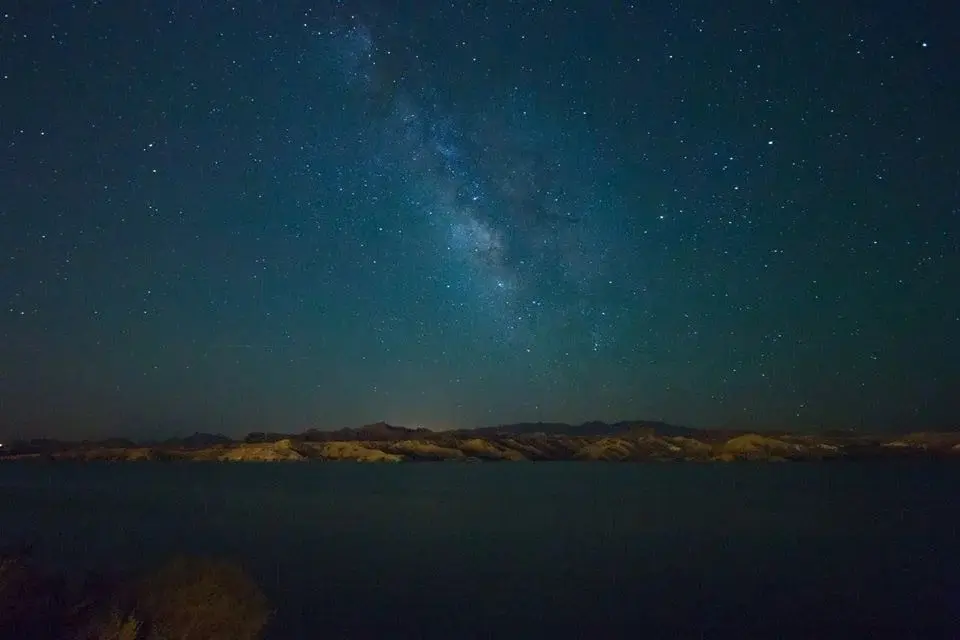
Start with cloud cover, wind and the moon. A bright moon can wash out faint stars even under a clear sky, while wind and suspended dust reduce contrast. Planet viewing and a moonlit desert experience can still be worthwhile on brighter nights; the goal simply changes.
Check the forecast, moonrise and moonset, and any scheduled public star party before committing to a long drive. The Lake Havasu Astronomy Club periodically hosts viewing events and provides a local clear-sky resource.
Moon phase often changes the experience more than driving another few miles. A bright moon is excellent when the moon itself is the target; a darker night is better for the Milky Way, faint constellations and meteor activity. Check both cloud cover and moon timing before choosing the night.
Practical Lake Havasu viewing areas
Go Lake Havasu identifies Site Six overflow parking, the SARA Park trailhead, the end of Bison Drive and a scenic pullout south of milepost 171 on Highway 95 among the area's viewing options. Each has a different tradeoff between darkness, convenience and facilities.
Use an established public parking or viewing area. Do not stop on a highway shoulder with poor visibility, enter signed private land or drive an unfamiliar dirt road after dark. At SARA Park, check current park access and remember that other recreation or restroom lighting may switch on.
Choose a place with a legal, obvious pull-off and a simple return route. The darkest-looking spot is not automatically the best choice if traffic, soft shoulders, locked gates or unfamiliar desert roads make arrival and departure harder after dark.
What to bring and how to preserve night vision
Bring water even after sunset, a charged phone, a backup light, closed shoes and layers for seasonal temperature changes. A chair and binoculars are often more useful to a first-time observer than an unfamiliar telescope.
Use a dim red light for setup and avoid sweeping headlights or bright phone screens across other viewers. Give your eyes 20 to 30 minutes away from white light to adjust. Download directions before leaving town because cell coverage can weaken in remote areas.
Let eyes adjust for 20 to 30 minutes and keep white phone screens covered or dimmed. A reclining chair or blanket often improves the experience more than extra equipment because it makes a longer, comfortable look at the sky possible.
Desert safety after dark
Uneven ground, cactus, wildlife, wash crossings and sudden weather changes are harder to judge at night. Arrive before sunset when using a new location, note the exit route and stay on established surfaces.
Warm-season overnight temperatures can remain dangerously high. Check the actual forecast rather than assuming darkness means cool conditions. If you want a developed site, compare Cattail Cove State Park and its current event calendar before planning around a park program.
Desert temperatures can fall quickly after sunset, even after a warm afternoon. Carry a layer, water and a real light for the walk back; use the red light only while observing, not when safe footing or vehicle visibility requires brighter illumination.
Make the plan work
Plan a better Lake Havasu stargazing night
The best night is the one with clear sky, a useful moon phase and a location you can enter and leave safely. Decide those three things before adding telescopes, cameras or a long desert drive.
Choose the sky window
Check clouds, wind and the moon’s rise and set times. A short clear window can be enough for casual viewing, while astrophotography needs a longer, darker block with less wind.
See live Lake Havasu weatherArrive before the light disappears
Use daylight to identify the parking surface, nearby traffic, trail edge and exit. Avoid creating a new roadside pullout or crossing a gate simply because a map appears to show public desert.
Review local viewing guidanceCheck for a hosted night
A public astronomy event can provide telescopes and experienced help without requiring equipment. Dates are occasional, so check both local events and the state-park schedule for the actual trip dates.
See Lake Havasu City eventsCheck the day, not the monthly average
Lake Havasu City weather
Heat and wind can change the safest time, route and backup plan. Check the live Lake Havasu forecast here, then use the managing agency or operator for closures, launch conditions and activity-specific rules.
Read how hot Lake Havasu gets in summer
Your question, answered
Desert Stargazing frequently asked questions
Where can I stargaze near Lake Havasu City?
Common options include Site Six overflow parking, SARA Park trailhead, Bison Drive and public highway pullouts outside town. Confirm access and arrive before dark at an unfamiliar location.
Do I need a telescope?
No. Many constellations, bright planets, meteor showers and satellite passes are visible without one. Binoculars and a star-map app are useful starting tools.
Is a full moon good for stargazing?
It is good for viewing the moon and a moonlit landscape, but its brightness hides many faint stars. Darker skies are usually found near a new moon.
Does Lake Havasu have public star parties?
The Lake Havasu Astronomy Club and area parks periodically schedule astronomy events. Dates change, so verify the current calendar rather than relying on an old schedule.
Check before you go
Current details from the source